BEYOND PEDALING
Carlos R., international coordinator of 30 Días en Bici, reflects on how eBikes are redefining urban mobility (and our lives)
The prevailing car-centricity prioritizes drivers and automobility, burying or suppressing other ways of experiencing the city and moving within it, such as active mobility or care mobility (e.g., taking children to school or daycare, grocery shopping, etc.). This excessively private vehicle-focused approach impacts our lives in the form of class inequality in mobility, unfair speed, “transport poverty,” or road violence.
In contrast to this urban model, which no longer adequately responds to people’s real needs, bicycles offer an effective solution for urban mobility, reducing dependence on motorized vehicles and promoting a more active lifestyle. And in this sense, electric-assist bicycles make it possible to cover greater distances with less effort, for diverse bodies and ages.
And speaking of that “care mobility” invisible in the car-centric city, Laura’s testimony comes to mind, a 32-year-old: “I’m a mother of a young child. I make many short trips in many directions, sometimes quite loaded. The eBike allows me to take my child to daycare and then do daily shopping and attend to my mother and other commitments without depending on the car. It’s my sustainable family van, and without it, my life would be crazy ”.
At 30 Días en Bici, we have always believed that every person who gets on a bicycle brings about change in their city, breaking physical, mental, and emotional barriers to improve their life. But what if more people could pedal further, with fewer barriers and more smiles? That’s where the silent revolution of eBikes comes in: not as a technological luxury, but as a bridge towards truly inclusive mobility.
Technology at the service of people
Electric assistance is not “cheating” – it’s expanding horizons, opening doors, and delivering justice. Expanding horizons for those who are no longer young athletes; opening doors for those who have an impossible hill on their way home or more than 14 kilometers on their commute to work. Justice for those who haven’t felt the freedom of moving on two wheels for years.
After more than ten years working to promote the daily use of bicycles, getting thousands of people on a bike in April, I have hundreds of direct testimonies that speak for themselves about how the bicycle is a tool for social change capable of breaking the vicious cycle of lost opportunities generated by transport poverty. And I also have a certainty: the electric bicycle is one of the technological developments whose human face is most evident, clearly affordable technology at the service of people.
At the beginning of this decade, after a bike ride in Gijón, a cheerful 68-year-old woman told me, with emotion shining in her eyes, that after 10 years without touching a bike, an eBike gave her back her autonomy.
“Now I go to the market, I see my friends… I even dare to ride outside the bike lanes. It’s like having wings. It has empowered me, as my daughters say ”, she told me.
That’s the power of the ebike: overcoming barriers, sweeping away excuses not to do.
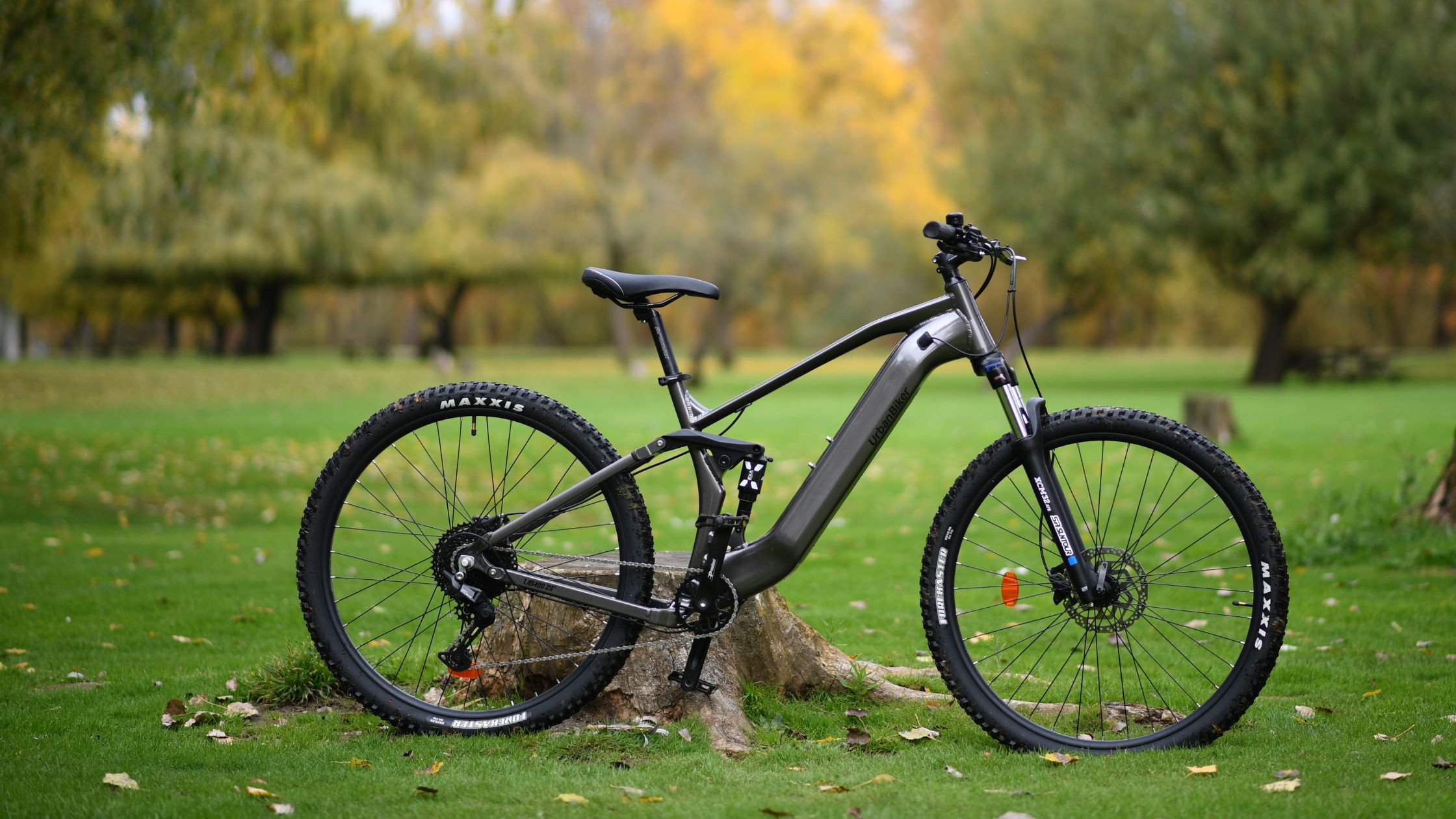
And a few months ago, at the Iberian Congress “The Bicycle and the City” in Santiago de Compostela, I met Javier, a loving 40-year-old father and proud owner of an UrbanBiker UB100B. His experience confirms my words:
“For me, 15 kilometers daily to work was unthinkable. With my UrbanBiker, I arrive fresh, without sweating, and without the stress of parking .”
Javier values having reduced his carbon footprint and the daily savings on transport, but what drives him every day is remembering his daughter telling him, “Dad, you’re a hero.”
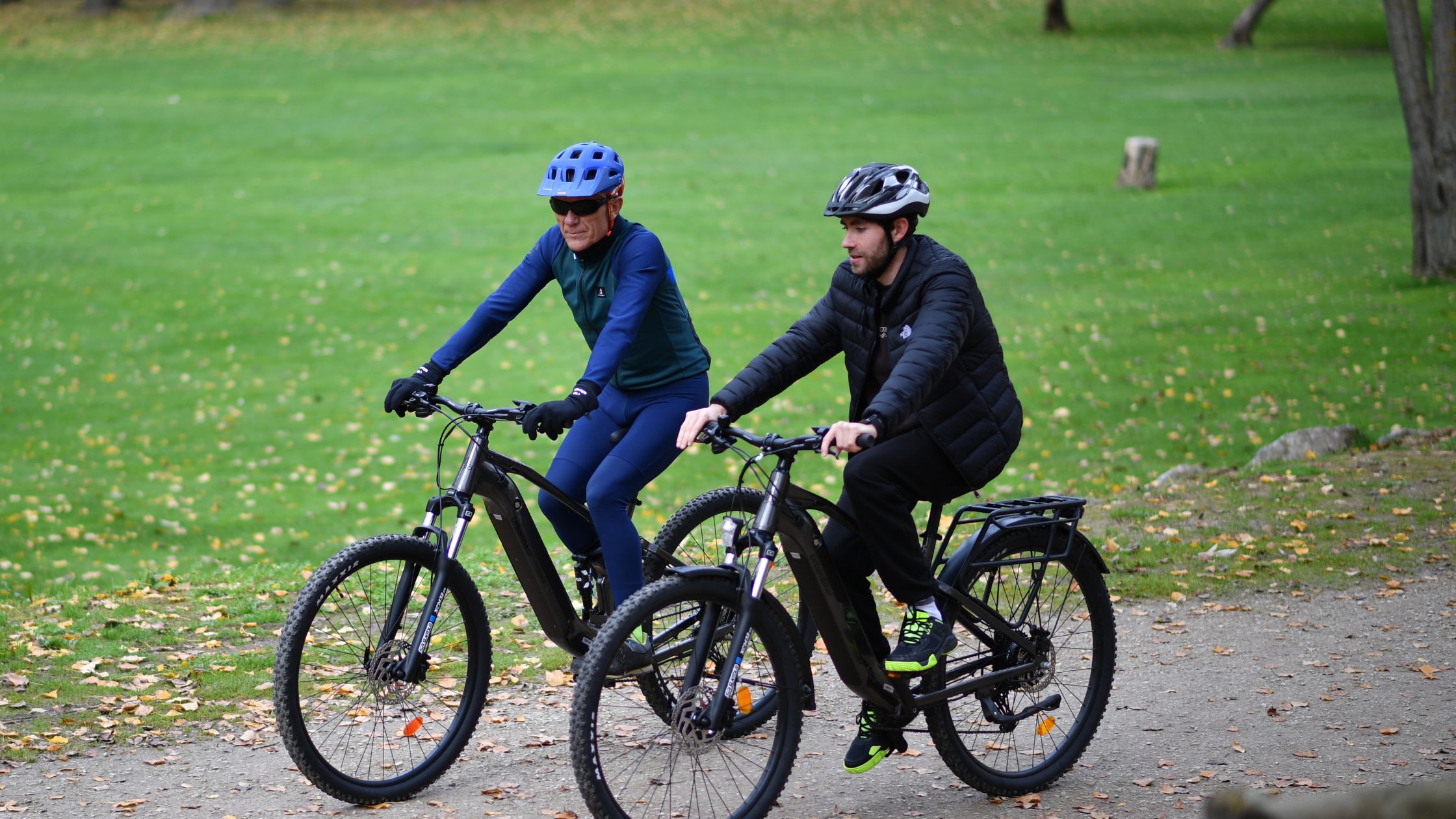
Getting anywhere: mobility that humanizes
This is what makes the alliance between 30 Días en Bici and UrbanBiker so special.
When a technology invites people to improve their daily lives and make the city friendlier for everyone, brings them closer to their loved ones, or makes their life simpler in multiple ways, it ceases to be technology and becomes well-being. UrbanBiker‘s eBikes are the perfect ally for the mission of 30 Días en Bici: to democratize active mobility, celebrate the diversity of bodies and circumstances, and remind us that streets are places to live, not just to pass through.
The future of urban mobility is not about being electric. It’s about being more human. The electric bike will never replace the traditional, muscular bicycle; instead, it will amplify its benefits and expand our target audience. That’s why we are allies: because UrbanBiker’s eBikes represent that virtuous union between human effort and sensitive technology: a brand that not only sells bikes but accompanies each person’s journey towards a more connected, healthy, and sustainable life.
In short: eBikes remind us that progress is not about going faster, but about more people being able to get there. And that, ultimately, is what we have always advocated: that the bicycle – in all its forms – is a powerful tool for social transformation.
About the author:
Carlos Rodríguez is the international coordinator of 30 Días en Bici, a multi-award-winning global campaign promoting the daily use of bicycles, and collaborates with UrbanBiker in promoting sustainable mobility.