
Lithium batteries and electric mobility: what’s behind an UrbanBiker
By F.J. Fuentes, COO at UrbanBiker
Lithium batteries are the heart of an electric bicycle. They determine the range, performance, price… and also a large part of its environmental impact. Therefore, understanding how they work and what happens to them throughout their useful life is key to talking about electric mobility with rigor.
At UrbanBiker, we have been manufacturing ebikes for over 14 years. And if we have learned anything during this time, it is that sustainability does not begin or end with the sale of a bicycle. It starts with the design and continues long after the last kilometer.
Here we tell you the essentials.
How long does a lithium battery really last?
A battery does not suddenly break down. It degrades little by little.
Under normal conditions, a lithium battery offers several hundred complete charge cycles, which translates into years of actual use if properly cared for. Moderate temperatures, avoiding extreme discharges, and regular recharging make the difference.
At UrbanBiker, we prioritize stability and service life over eye-catching figures. We prefer reliable, balanced, and durable batteries over promises of range that are difficult to sustain over time.
The battery: the most valuable component of an ebike
It is no coincidence that the battery is the most expensive part of an electric bicycle. Its manufacture involves complex materials, high safety standards, and very demanding industrial processes.
The good news is that technology is advancing rapidly: today batteries are more stable, safer, and maintain their capacity better for longer. We work only with certified suppliers that meet strict electrical and chemical controls.
When the battery is no longer useful for a bicycle
As a registered producer, UrbanBiker complies with the Extended Producer Responsibility (EPR), which implies assuming the correct management of the batteries that are placed on the market when they reach the end of their useful life.
This management is not carried out directly with the end user, but through collective systems of collection and authorized recycling, which guarantee the proper treatment of these wastes in accordance with current regulations.
In practice, this means that batteries must be deposited in the official channels enabled for this purpose, such as selective collection points or authorized management systems, thus ensuring their correct recycling and the recovery of valuable materials.
Our commitment as a brand is to actively participate in these systems and ensure that each battery that we put on the market has a responsible end, even though the collection process is not managed directly from UrbanBiker.
Ecodesign and second life: thinking beyond the product
Before recycling, there is something even more important: extending the service life.
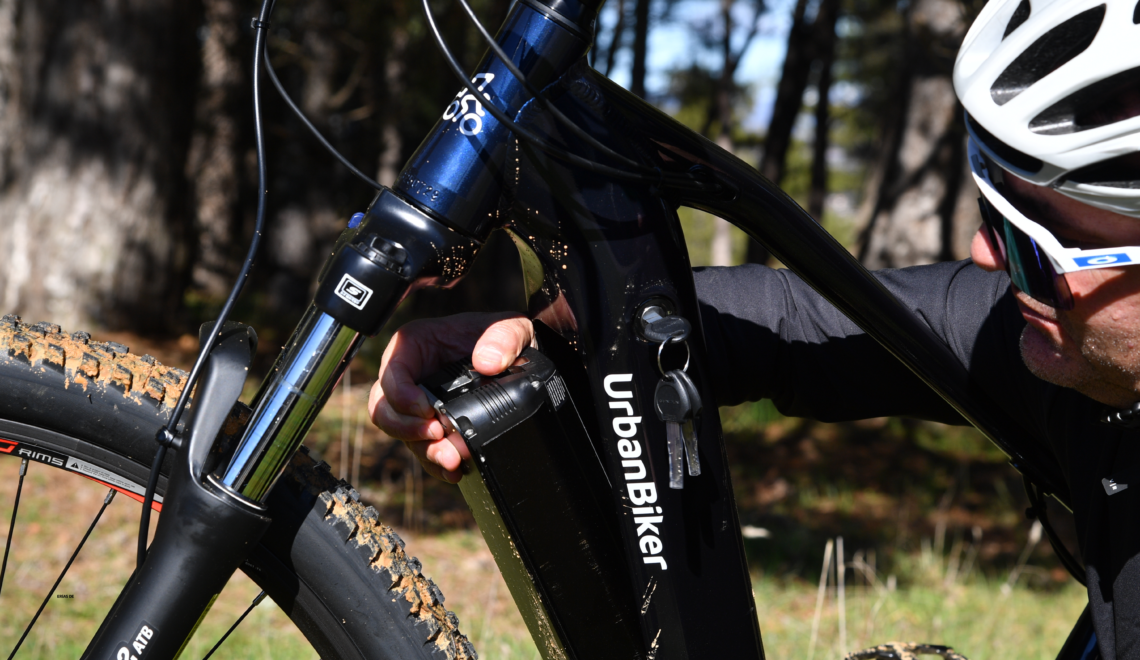
Designing accessible and removable batteries, repairable components, and standardized systems allows keeping a bicycle in use for longer and reducing waste. In addition, many batteries that are no longer optimal for mobility can still be useful in other contexts, such as energy storage or small autonomous systems.
Reusing whenever it is safe is an essential part of truly sustainable mobility.
Conclusion: electric mobility with responsibility
The ebike is not a fad. It is one of the most efficient and realistic ways to get around today, especially over short distances.
But sustainability is not achieved only by manufacturing electric bicycles, but by assuming the entire life cycle of their components. At UrbanBiker we are clear: manufacturing well makes no sense if you do not manage well what you manufacture.
That is our commitment. And the basis on which we continue pedaling towards a cleaner, more responsible, and lasting mobility.
About the author
F.J. Fuentes is COO at UrbanBiker and directly coordinates the selection and validation of all the components and systems of our electric bicycles.